When you work with an application, who do you normally think is responsible for it? I’m sure you would think about a web developer. Although you’re partially right, a Full Stack developer is the umbrella term for the people who develop full-fledged applications.
Let’s say you’re using your Instagram application. Every time you refresh, new content is loaded on your screen. You can like a picture, add new ones, search for profiles and do so much more. Although it provides a seamless user experience, there’s a lot that goes on in the backend. HTTP requests are made to the Instagram servers to retrieve and load information. This is facilitated with the help of backend frameworks.
Typically every application consists of the front-end, the backend, and the database.
A Full Stack Developer is associated with the creation of an application from its start to finish. He designs the front-end and the backend of an application while ensuring its efficiency, reliability, and other crucial features.
Now that you know what a full stack developer does, let’s look at the skills required to become one.
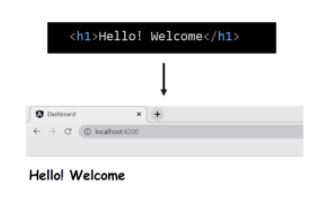
HTML short of Hypertext markup language governs the appearance of text/images on the screen. It formats the text as headings, paragraphs, pop-ups and so on. It typically consists of tags that give a different meaning to the text in a document structure.
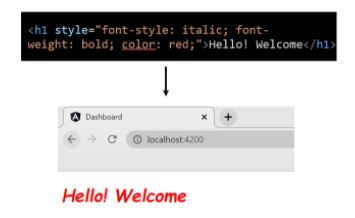
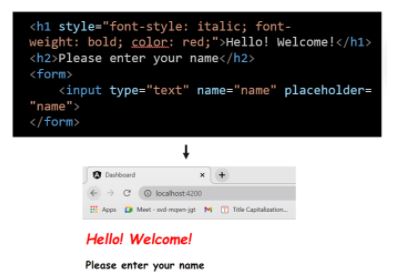
CSS (Cascading Style Sheets) is a style sheet that allows to alter and style different web components for font, size, spacing, etc. It makes the content on the webpage more decorative.
It is a powerful client-side programming language mainly used for enhancing user interaction with the application. It offers several libraries and frameworks like React, Angular, Vue, and JQuery. A full stack developer needs to be proficient in one or more of these tools.
A full-stack developer writes code that is used to perform Relational mapping to fetch data from the database. Some popularly used DBMS are MySQL, SQL SERVER and PostgreSQL, MongoDB, and Oracle Database. A good understanding of their workings is critical.
Version control systems help manage the project files and keep track of the entire history of the user's things. Popular ones are Git, Github, and Subversion.
Git helps manage the project files. It keeps track of the entire history of things that the user is working on. GitHub is a web-based service for version control using Git. The user can look at other people’s code, identify issues or errors, and even propose changes.
Web hosting platforms allow you to deploy your product on a cloud service provider so we can access it from the WWW. Popular ones are Amazon web services, Google cloud platform, Heroku, and Microsoft Azure.
A full-stack developer needs to possess some basic soft skills as well.
Now that you are familiar with the skills, let's look at the key responsibilities.